PEPC
The Peasant Evolution Producers Co-operative
What’s On
Events, courses & gatherings
From training days at the Land Skills Hub to seasonal gatherings and shared celebrations — here’s what’s happening at Fivepenny Farm. Everything on the calendar below can be booked through our Reservations page.
Calendar
Our shared calendar of events and facility bookings, kept live by the Land Skills Hub team.
Coming Up
Upcoming events
New events are added as we plan them — check back, or follow the calendar above.
Loading upcoming events…
Looking Back
Past events
-
Garden Week: Polytunnels, Pickles and Plants!
3–7 June 2026
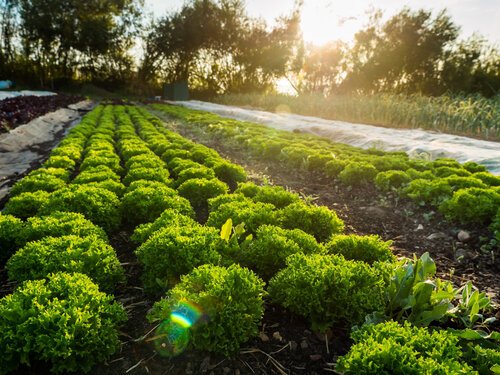
Subverting the poly crises with polytunnels, pickles and plants! Our volunteer week didn’t quite manage to put up a polytunnel, but we started off the Land Skills Hub garden by building and planting up our raised beds over deep discussions of how we subvert the global poly crisis by growing our own food community.
-
How to Build An Alternative Food System
18–22 May 2026
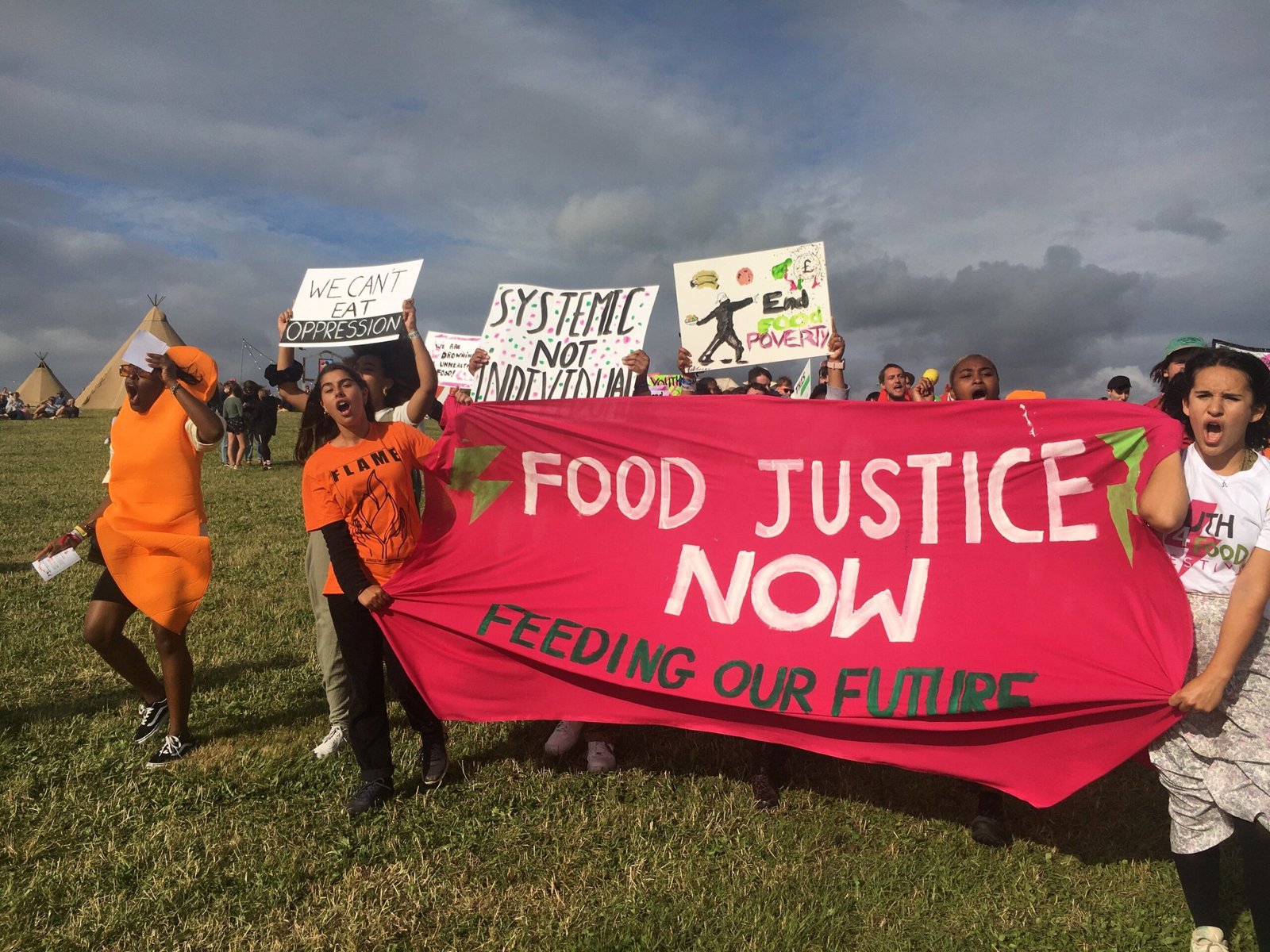
In partnership with the Anne Matthews Trust and facilitated with colleagues from the Braich Gogh, this fully-funded course was a 5-day training for young adults (18-30) who wanted to learn practical skills to organise together and create post-capitalist food systems rooted in justice.
-
Introductory course in land skills
3–7 March 2026
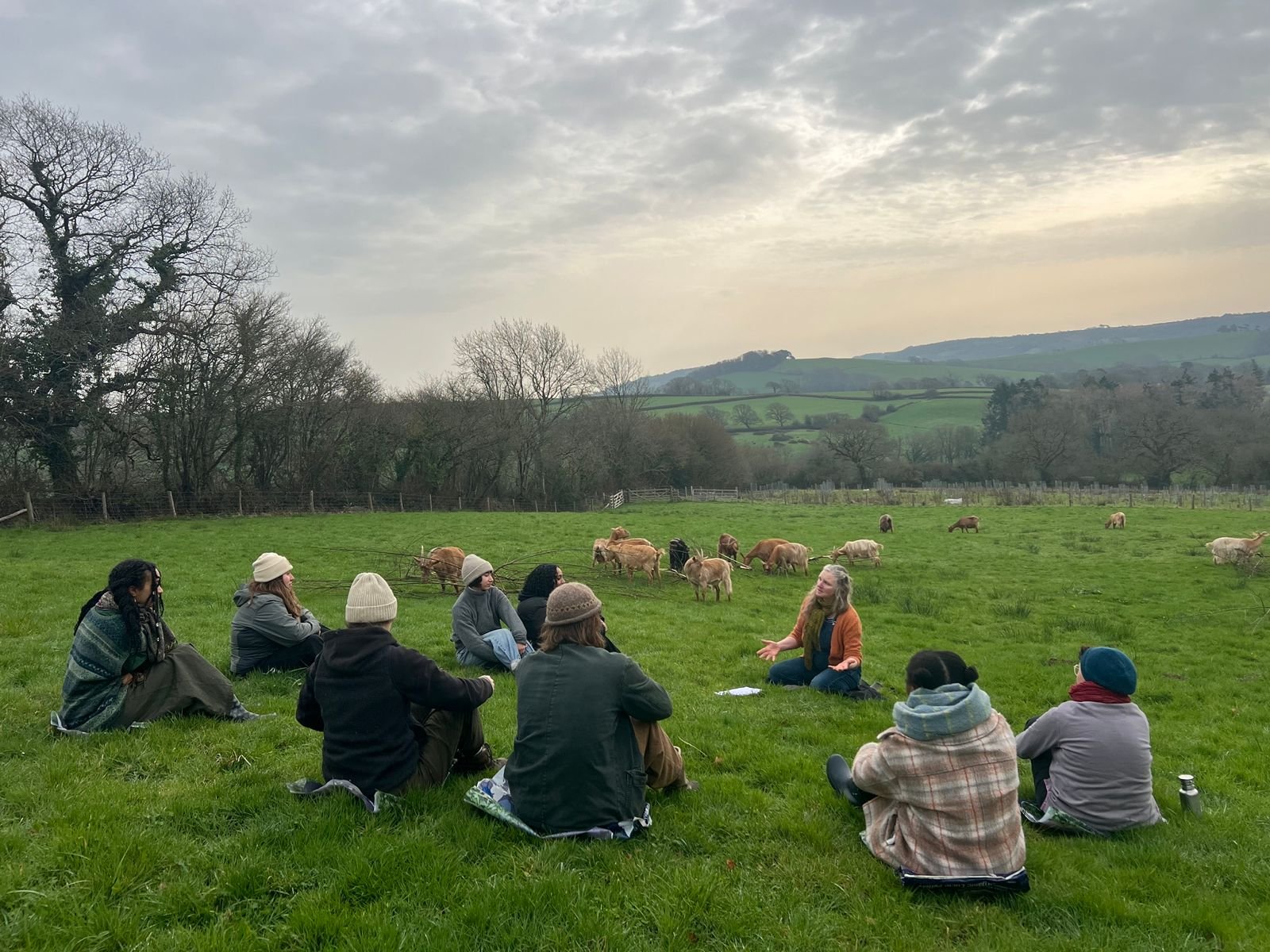
In partnership with the Dorset National Landscapes Farming in Protected Landscapes Scheme (FiPL), the Land Skills Hub offered a fully funded 5-day course providing an introduction to a range of land-based skills for 18-25 year olds.
-
Bunkhouse Build
Summer 2025 – Spring 2026
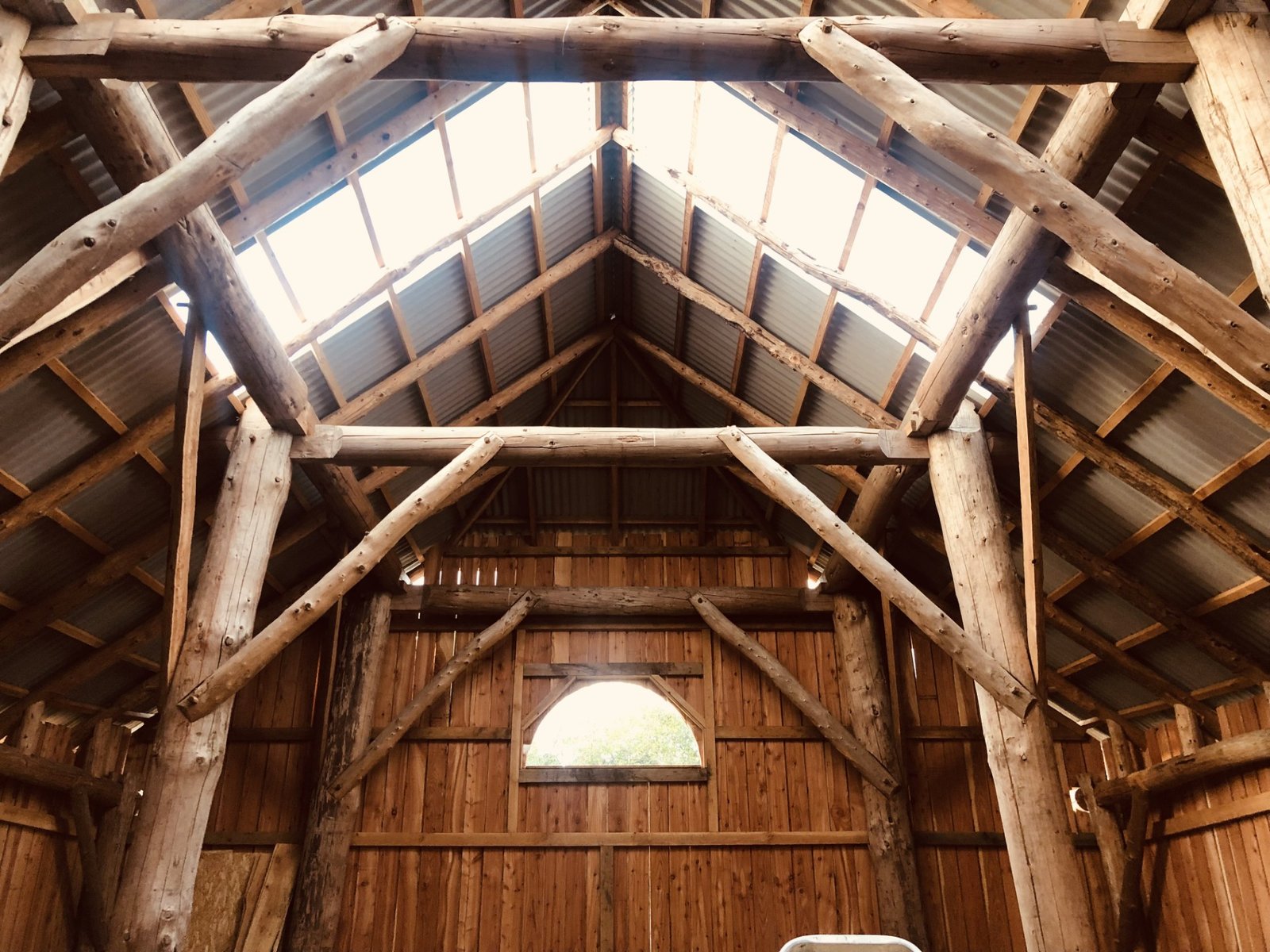
All of the natural building projects at the Land Skills Hub have been built by our community through low-cost courses and volunteering opportunities using popular education methods. Over the spring and summer we hosted a series of learning opportunities to build a bunkhouse to improve accessibility of our courses and events — building our skills in green building techniques, event facilitation, and community.
Read the full story of the build
Community Bunkhouse Build
Recent work has been focused on building of a bunk house, which will serve as accommodation for residential courses at the Land Skills Hub at Fivepenny Farm in Dorset.
The bunk house will accommodate 16 people in 8 bunks on a single story, with provision for at least 4 wheelchair accessible beds. It will be a roundwood timber frame structure with straw bale infill with clay plaster inside and lime render outside. The build has been carried out as a community project, with instructional volunteering opportunities to learn various aspects of natural and low impact building. There are countless ways of creating a comfortable and sturdy building from natural materials. This is one of them. Care will be taken to explain the thinking behind each process so people can take inspiration from how we do things as well as feel empowered to try things differently. We aspire to create an environment of popular education where each person is seen as bringing valuable experiences and input to the processes. We’re not just creating a building, we’re building a community and a movement. Building skills is only one part of the spectrum of skills we need. We need social skills, facilitation skills, organisational skills, motivational skills, communication skills, conflict resolution skills, and so much more. Awareness and knowledge and lived experiences of everything under the sun is sought and valued.
Stages of the Build
Foundations
-
Rammed earth into discarded car tyres to form plinth foundations. The most physically challenging part of the project. Core activities involved ramming earth into car tyres with sledgehammers and mallets, creating strong and stable plinths for the building to rest on
Platform construction
-
A level platform was built on our rammed tyre plinths, made of roundwood girders, wooden joists, insulated and topped with a sub floor. The platform measured approx. 6m by 12m and extended beyond the foundation points by the width of one straw bale. This is so the uprights for our timber frame sits directly above the foundations and the bale walls extending beyond them, which also serves to protect the tyres from UV damage.
Timber framing
-
We built a roundwood timber frame using the Norwegian ‘grindbygg’ system.
Walls
-
We constructed a floor plate around the perimeter of the platform, and a wall plate under the rafters. Straw bales were inserted between these with timbers either side of doors and windows and the grindbygg system was used to compress bale walls.
Roof
-
Work consisted of putting up rafters, fitting noggins between them, attaching a bamboo roll mat trellis to the underside to give key to the clay plaster ceiling, insulation, breather membrane, battens, roof boards, rubber membrane, and digging out and carrying up buckets of turf.
Internal stud walls
-
Internally we built simple stud walls from 2x4s to create a small private quarters within the bunkhouse.
Plastering Phase
-
We worked in stages to complete the external lime and internal clay plastering.
-
Stage 1 using lime externally we applied the first coat (stipple coat which is a watered down Lime plaster slurry. And scratch coat which is a mix of lime plaster, clay earth dug from site and straw) to the walls.
-
Stage 2 we carried on the work of applying the base (levelling) coat of plaster with a thin finish coat on top.
-
Stage 3 using clay internally we applied the second base coat (first key coat already done). This is using clay from the land, mixed with sand and straw.
-
Stage 4 using the same clay and sand but no straw this time, we completed the last layer of plastering with a super smooth finish coat.
Most aspects of the build were carried out as volunteer opportunities, where we asked everyone to chip in for the running costs of each of these volunteer weeks for things like paying instructors, food, insurance, water and gas, and all the invisible costs. We suggested £15 per day but these were open to anyone who could contribute whatever they could afford. A few stages were carried out as paid courses, reflecting a higher level of instruction.
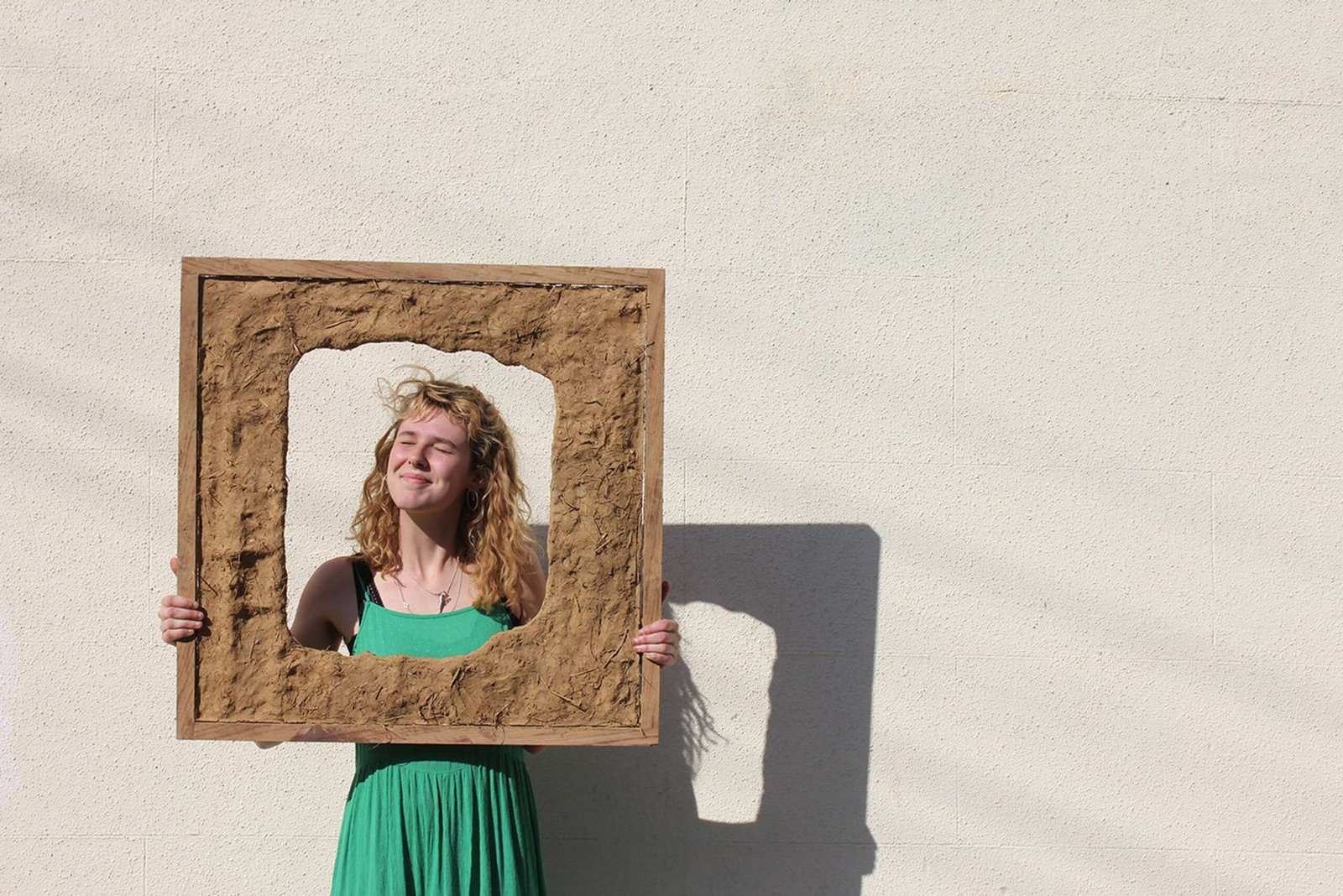
The plastering phase was be led by Rosie Fieldhouse
Rosie brought her expertise and enthusiasm for natural building to the project. With over five years of hands on experience, particularly in Cob, Wattle & Daub and clay work, Rosie has honed her craft through a strong connection to the land and traditional methods. Her passion lies in reviving and sharing endangered heritage skills, especially with those discovering them for the first time. Whether it’s sculpting walls, mixing plaster by hand or stomping in cobby mixes, Rosie is happiest when covered in clay and looks forward to sharing that joy with everyone involved.
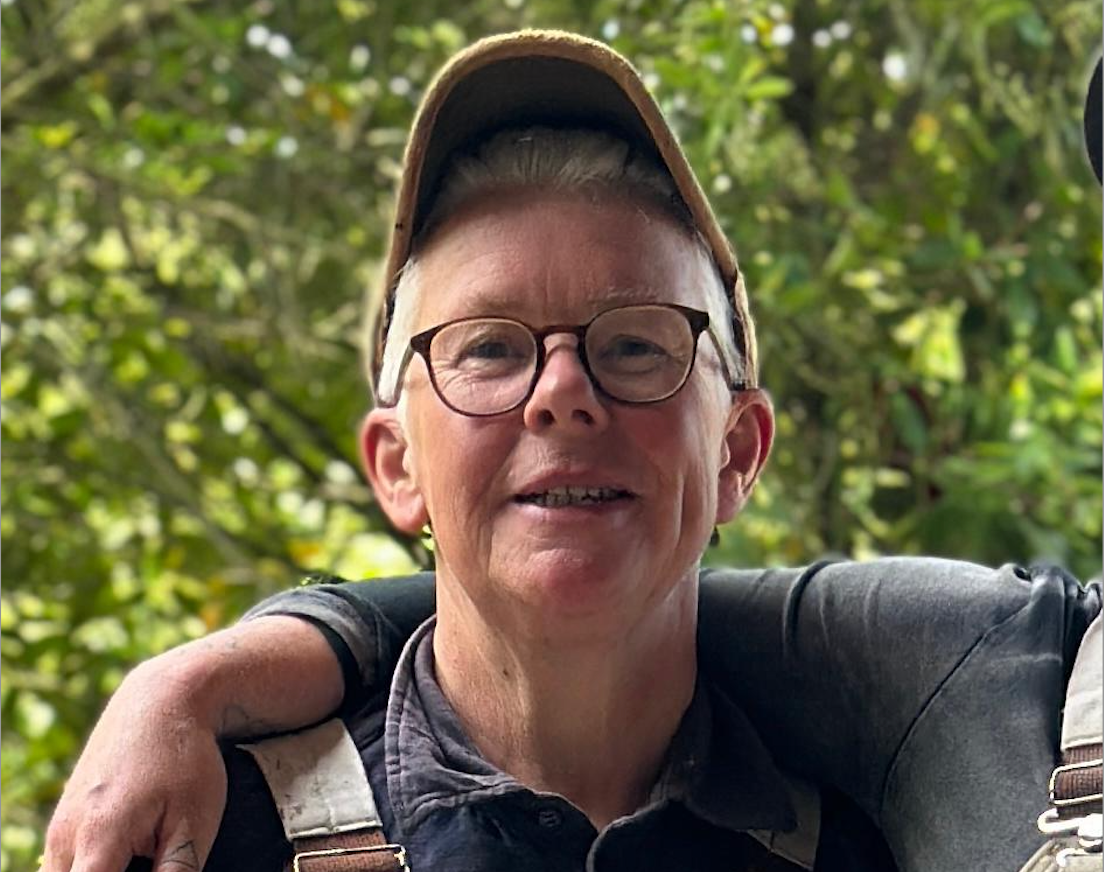
The roof, windows & doors construction was led by Han
Han led the final stages of the green roof build, which included plenty of practical tasks like earth moving and reconstructing the wooden scaffolding to support the plastering work. With over 35 years of experience in building, Han brings not only deep expertise but also a genuine passion for teaching and empowering others, especially when it comes to using power tools confidently. They are especially committed to creating an inclusive environment and are keen to work with people who may have previously felt excluded or marginalised within the construction world.
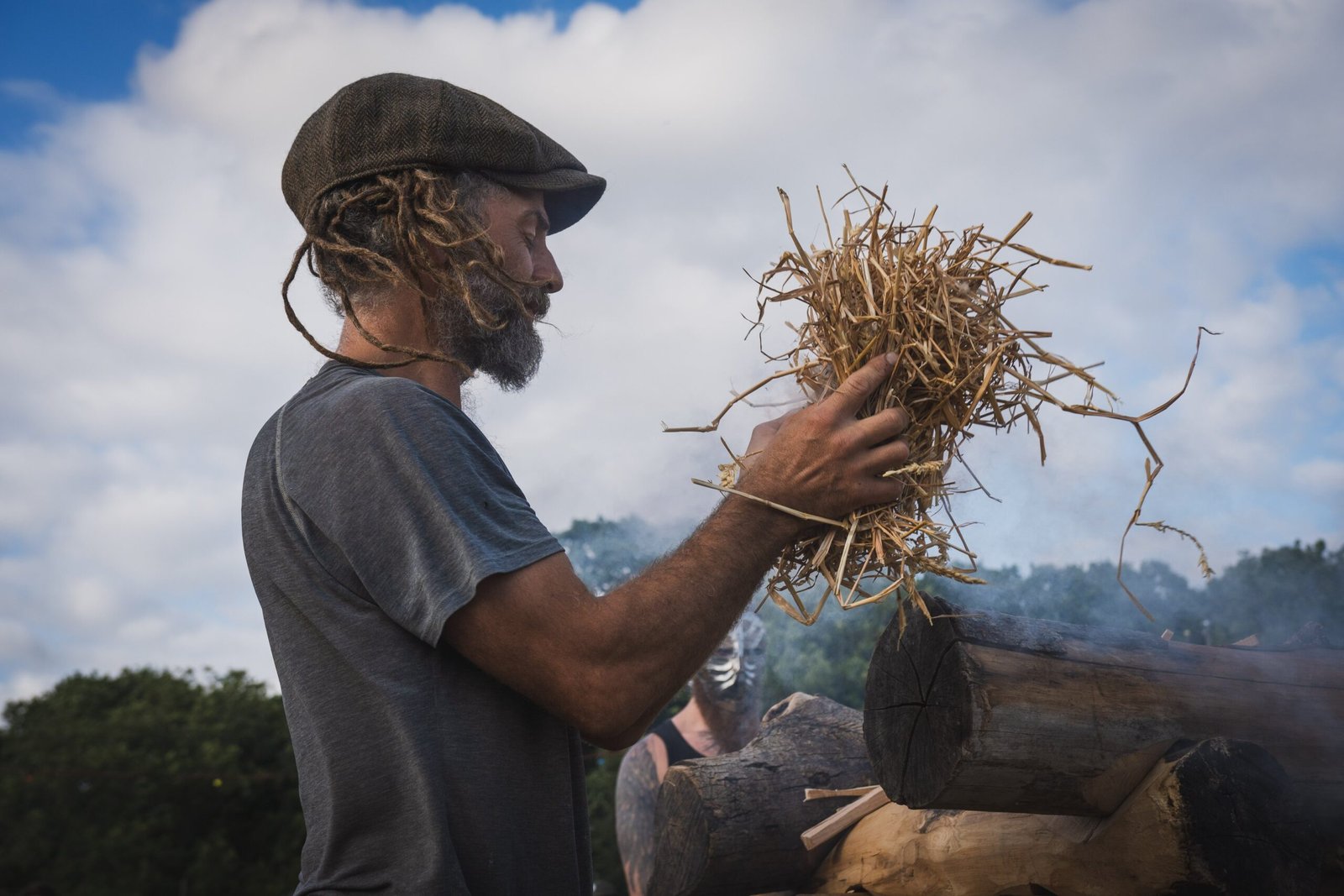
The timber framing was led by Rich
Rich led the courses and volunteer opportunities in timber framing, using his experience in Norwegian techniques to design and build a structurally sound bunkhouse.
-
-
Plastering courses
4–6 July 2025
María Sierra Sánchez taught an immersive, learning-by-doing course in earth plastering — from sourcing and testing local subsoils to mixing, applying, and finishing.
-
Land Justice talks
11–12 June 2025
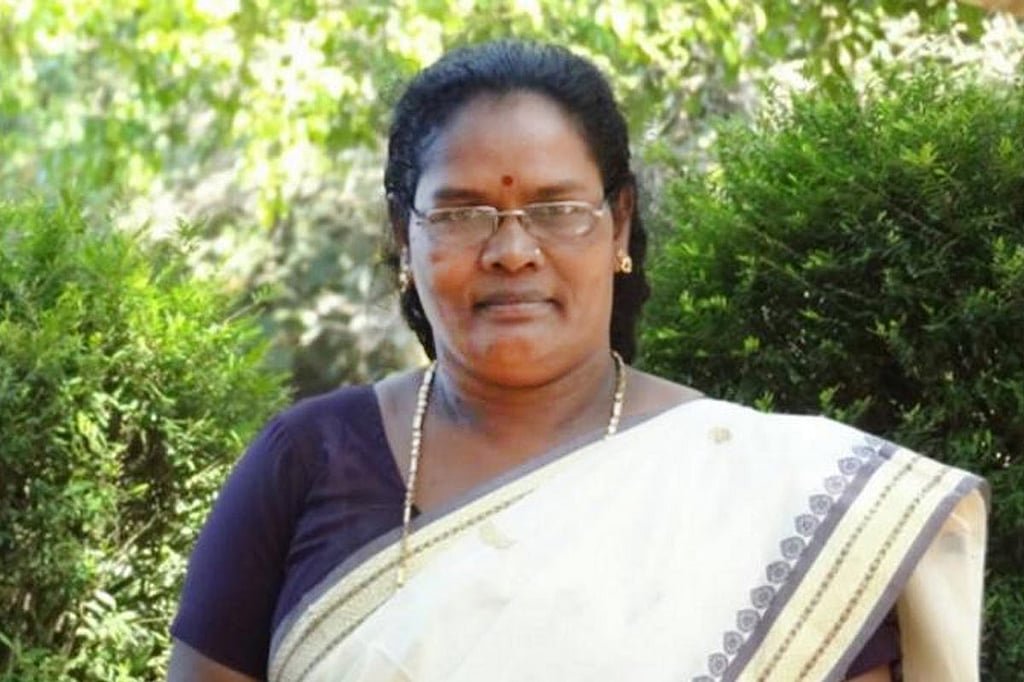
In June we were lucky to host Keralan activist C K Janu, who shared her experience of campaigning for land justice in India and helped inspire discussion about access to land in the UK.
-
Lucy and Hazel gig
13 April 2025
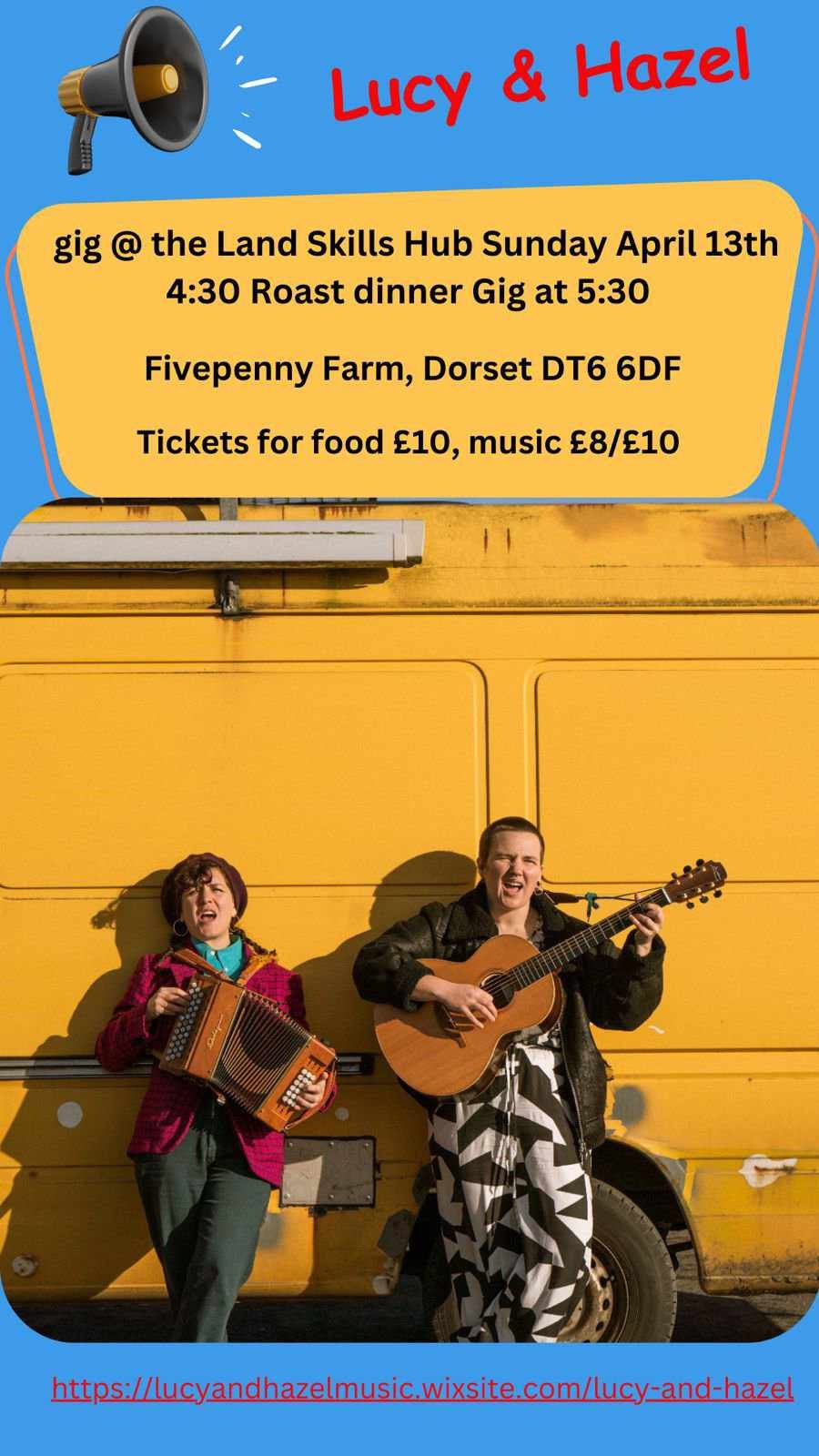
We enjoyed a magical afternoon in the sun and a roast dinner, followed by a fundraising gig by Sheffield-based queer folk duo Lucy and Hazel — charming audiences with self-penned folk laced with humour, harmonies and heartache.
-
Timber framing courses
April–May 2025
From April to May we had 3 separate week-long courses in roundwood timber framing for the Norwegian ‘grindbygg’ system. Richard Andersen led the build, combining modern roundwood timber framing methods with this ancient system developed by and for farmers to create fast, strong and durable structures.
-
Solstice Celebration ✨
21 December 2024
Join us for our annual potluck feast and solstice celebration — singing, ceremony, and dancing to the amazing Skalatans band to celebrate the coming of the light.
-
Wool, whittle, and wallop
19–21 December 2024
A few days of winter craft-making before the longest night of the year.
Loading past events…
PEPC
© 2026 Peasant Evolution Producers Cooperative